When it comes to heating, ventilation, and air conditioning (HVAC) systems, ductwork plays a crucial role in distributing air throughout a building or space. One method of installing ductwork that is becoming increasingly popular is suspended ducting. This innovative approach involves hanging the ductwork from the ceiling instead of installing it within the walls or on the floor. The use of suspended ducting offers a number of advantages that make it a practical and efficient choice for HVAC systems.
One of the primary benefits of suspended ducting is its ease of installation. Traditional ductwork requires extensive planning and construction to integrate it into the walls or floors of a building. This can be time-consuming and costly, especially in existing structures where retrofitting ductwork can be a challenge. suspended ducting, on the other hand, is relatively quick and easy to install. By hanging the ductwork from the ceiling, contractors can avoid the need for extensive modifications to the building’s structure, saving time and money in the process.
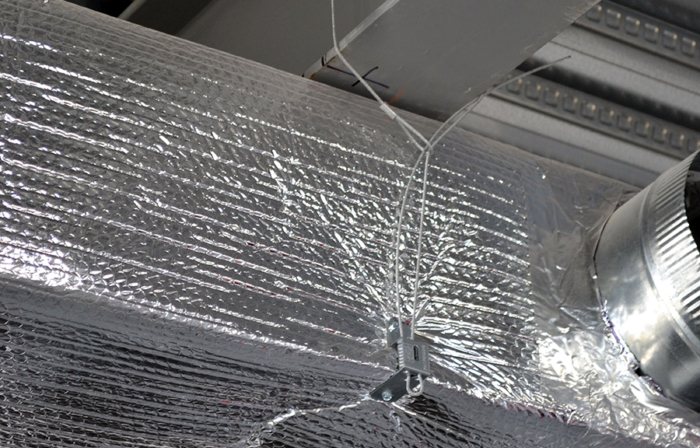
Another advantage of suspended ducting is its flexibility. Because the ductwork is not confined within walls or floors, it can be easily reconfigured or expanded to accommodate changes in the HVAC system. This makes it a practical choice for buildings that may undergo renovations or additions in the future. suspended ducting can also be installed in spaces where traditional ductwork would be difficult or impossible to incorporate, such as in buildings with high ceilings or irregular layouts.
In addition to being easy to install and flexible, suspended ducting is also aesthetically pleasing. Traditional ductwork can be unsightly and take up valuable space within a building. By hanging the ductwork from the ceiling, the space below can remain open and unobstructed, creating a cleaner and more attractive environment. suspended ducting can also be painted or finished to match the décor of the space, further enhancing its visual appeal.
Another benefit of suspended ducting is its efficiency. Traditional ductwork can be prone to leaks and inefficiencies, reducing the overall performance of the HVAC system. Suspended ducting, on the other hand, can be insulated and sealed more effectively, minimizing air leakage and ensuring that the system operates at peak efficiency. By delivering air directly to the desired locations without obstruction, suspended ducting can also improve airflow and temperature control, resulting in a more comfortable and consistent indoor environment.
Suspended ducting is also a more cost-effective option in many cases. Traditional ductwork requires more materials and labor to install, especially in complex or hard-to-reach spaces. Suspended ducting, on the other hand, can be installed more quickly and with fewer resources, saving money on both the initial installation and long-term maintenance of the HVAC system. In addition, the energy efficiency of suspended ducting can lead to lower utility bills and reduced environmental impact, further contributing to cost savings over time.
Overall, suspended ducting offers a number of advantages that make it an attractive option for HVAC systems. Its ease of installation, flexibility, aesthetic appeal, efficiency, and cost-effectiveness make it a practical choice for both new construction and retrofit projects. By choosing suspended ducting for their HVAC systems, building owners and contractors can enjoy the benefits of improved performance, energy savings, and a more comfortable indoor environment. Consider the use of suspended ducting for your next project to experience these benefits firsthand.