seismic wire rope, often referred to as SWR, plays a crucial role in the oil and gas industry. This specialized type of wire rope is designed to withstand the extreme forces and harsh environments associated with seismic exploration activities. As seismic exploration becomes increasingly important for locating new oil and gas reserves, the demand for high-quality seismic wire rope continues to grow.
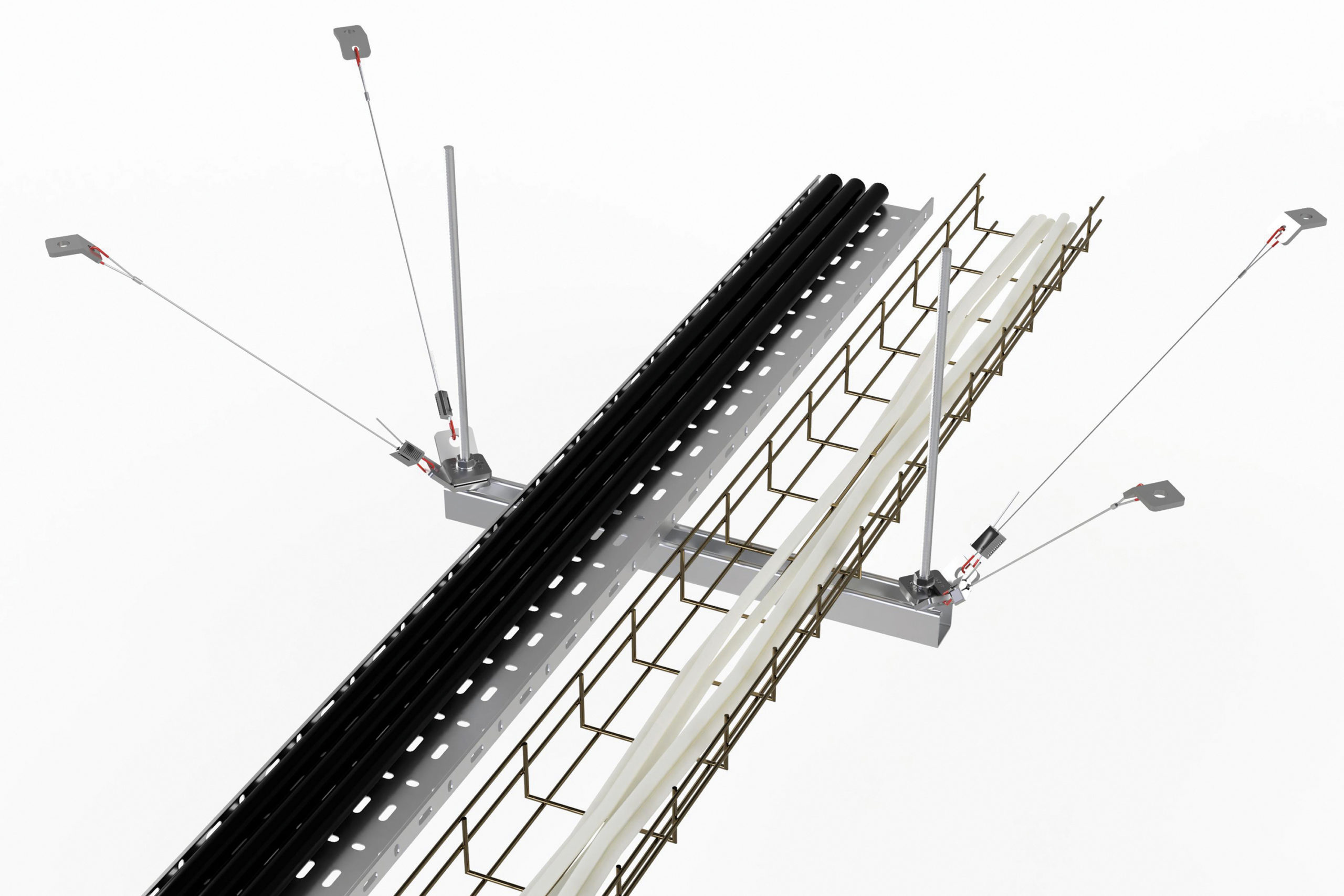
seismic wire rope is typically made from high-strength steel wires that are twisted together to form a durable and flexible rope. The design and construction of seismic wire rope are crucial to its performance and longevity in the field. The wires are carefully selected and twisted in a specific pattern to ensure optimal strength and flexibility. This allows the wire rope to withstand the intense pressures and stresses that it will encounter during seismic surveys.
One of the key advantages of seismic wire rope is its ability to support heavy loads while remaining flexible. This is essential in seismic exploration, where equipment such as geophones and cables must be carefully lowered into the ground to gather data. seismic wire rope is used to suspend and lower this equipment into position, allowing it to accurately record seismic waves and other geological data.
In addition to supporting heavy loads, seismic wire rope must also be resistant to abrasion, corrosion, and other forms of wear and tear. The harsh conditions of seismic exploration can quickly degrade inferior wire ropes, leading to costly repairs and downtime. High-quality seismic wire rope is designed to withstand these conditions, ensuring that it remains reliable and durable throughout the course of a seismic survey.
Another important factor to consider when choosing seismic wire rope is its ability to withstand shock and vibration. Seismic exploration involves the use of explosive charges to generate seismic waves, which can create intense shock waves that travel through the ground. These shock waves can put significant stress on the wire rope, causing damage if it is not properly designed to handle this type of force. High-quality seismic wire rope is engineered to absorb and dissipate shock and vibration, protecting the equipment and ensuring accurate data collection.
Seismic wire rope is used in a variety of applications within the oil and gas industry, including land-based seismic surveys, marine seismic surveys, and downhole seismic operations. In land-based surveys, seismic wire rope is used to suspend geophones and other equipment at varying depths below the surface. This allows geologists and geophysicists to gather valuable data about the subsurface geology and potential oil and gas reserves.
In marine seismic surveys, seismic wire rope is used to tow hydrophone arrays behind a seismic vessel. These arrays are designed to capture seismic data as the vessel moves through the water, allowing geologists to create detailed maps of the seafloor and subsurface geology. The seismic wire rope must be able to withstand the corrosive effects of saltwater and the constant movement of the vessel to ensure accurate data collection.
Downhole seismic operations involve the use of seismic wire rope to lower and position equipment deep below the surface of the earth. This equipment is used to generate seismic waves and record the resulting data, providing valuable insights into the subsurface geology. The wire rope must be able to support heavy loads and withstand high temperatures and pressures to ensure the success of these operations.
Overall, seismic wire rope plays a critical role in the success of seismic exploration activities in the oil and gas industry. Its ability to support heavy loads, withstand harsh environments, and resist shock and vibration makes it an essential component of any seismic survey. As the demand for oil and gas continues to grow, the importance of high-quality seismic wire rope will only increase, ensuring that exploration activities can continue to expand and thrive.